
Explore | Collect | Design
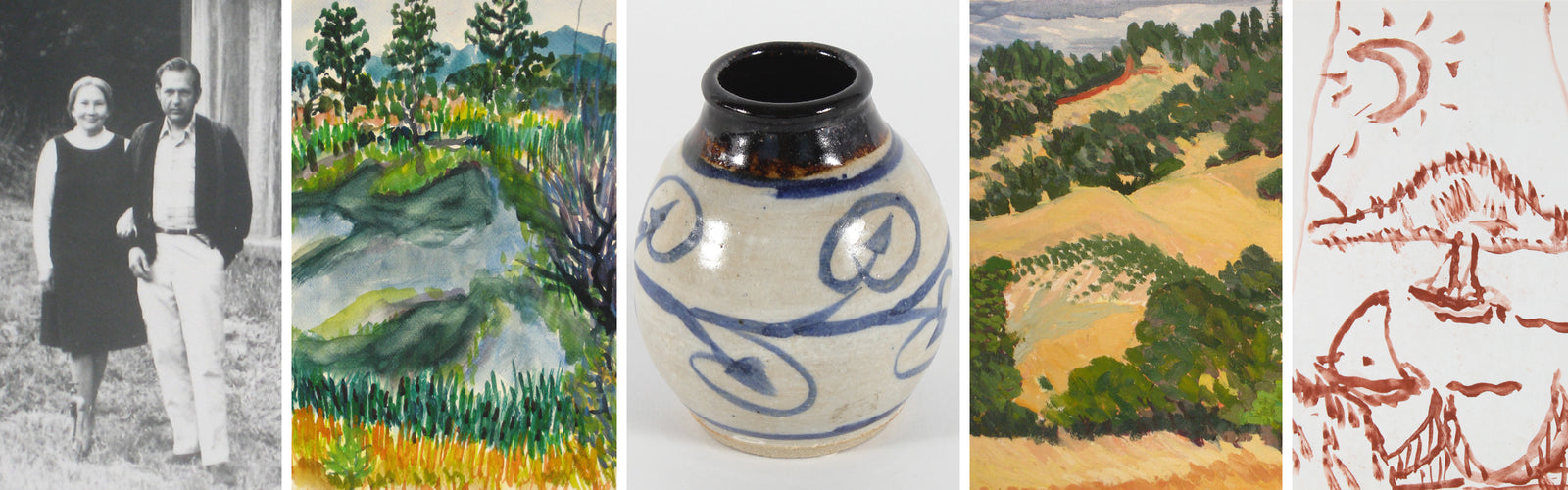

Ross & Eileen Curtis
| Previous Artist | Next Artist |
Ross Curtis (1918-2007) & Eileen Reynolds Curtis (1915-1977)

-
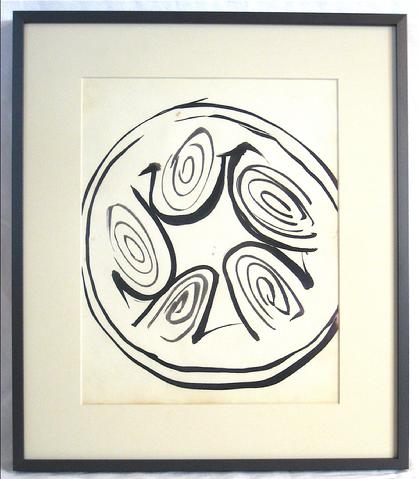
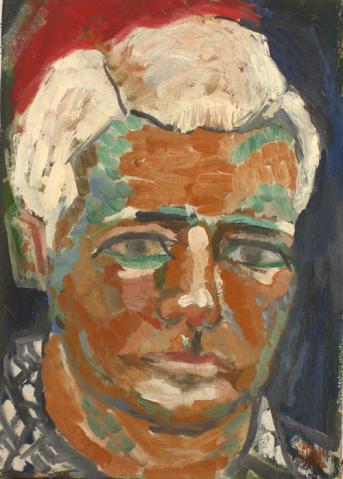
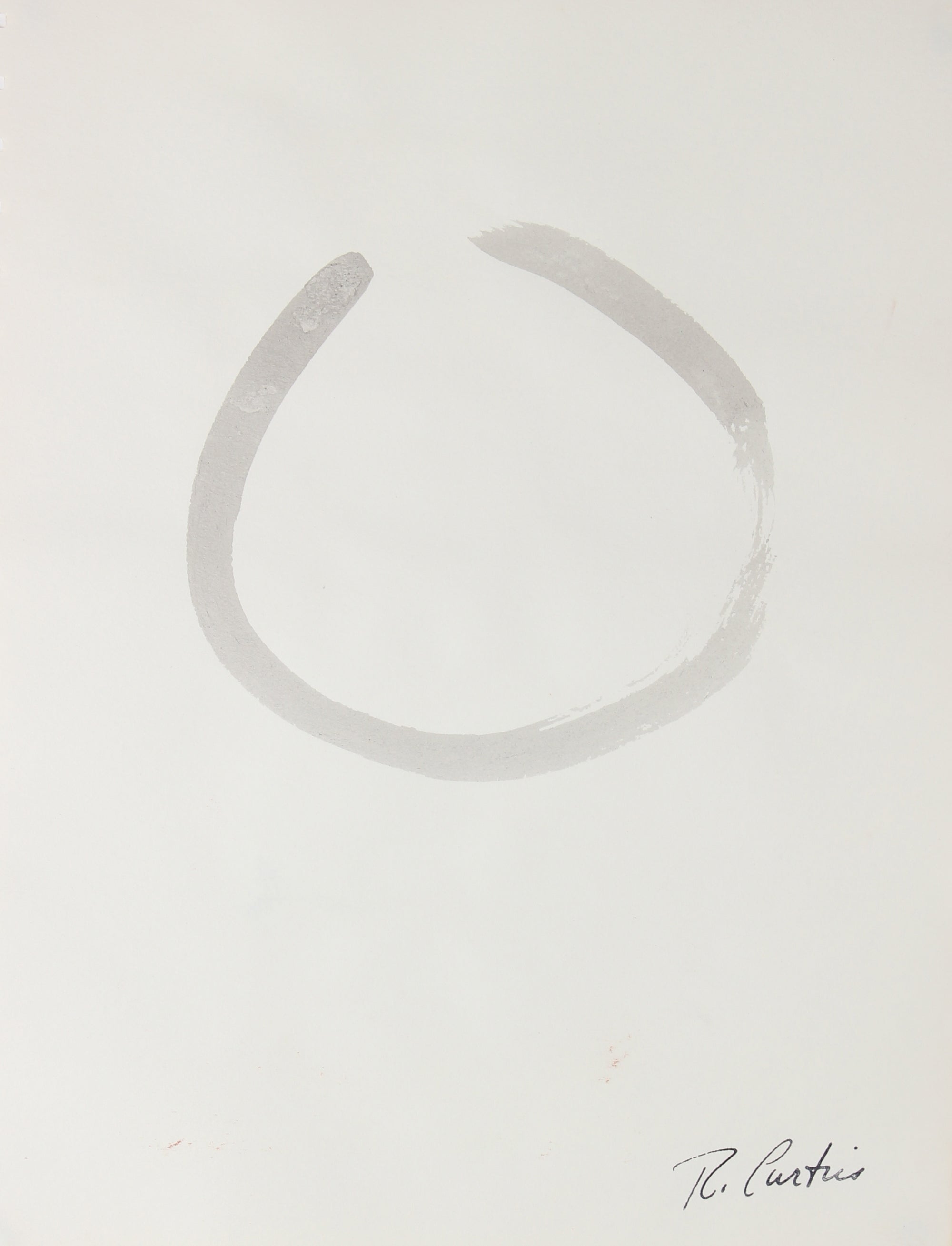
 Ross Curtis was a California Expressionist painter and sculptor. He was the co-founder of an intimate group of noted Northern California artists known as the “Sausalito Teahouse Group”. He was a man described as generous, determined and politically impassioned.
Curtis’s sculptures and paintings were well recognized, and his shows included a 1952 one-man show at the Michoacan Museum in Morelia, Mexico, the 1954 National Annual Sculpture Show at San Francisco Museum of Modern Art, and a ceramic sculpture retrospective at the Jan Holloway Gallery in 1990.
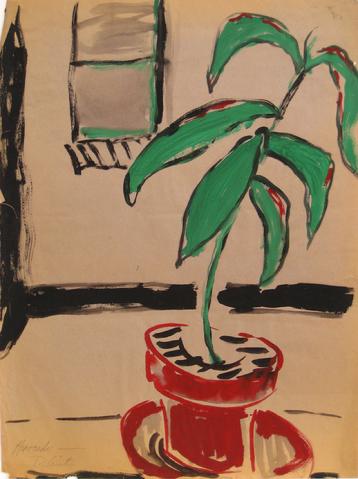
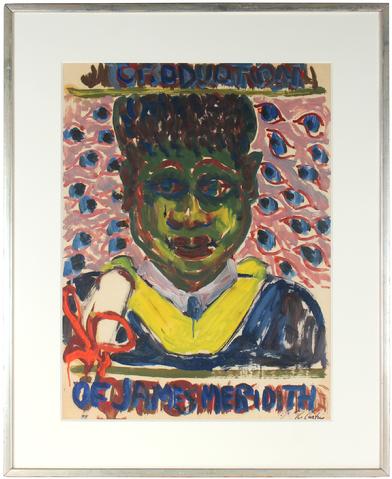
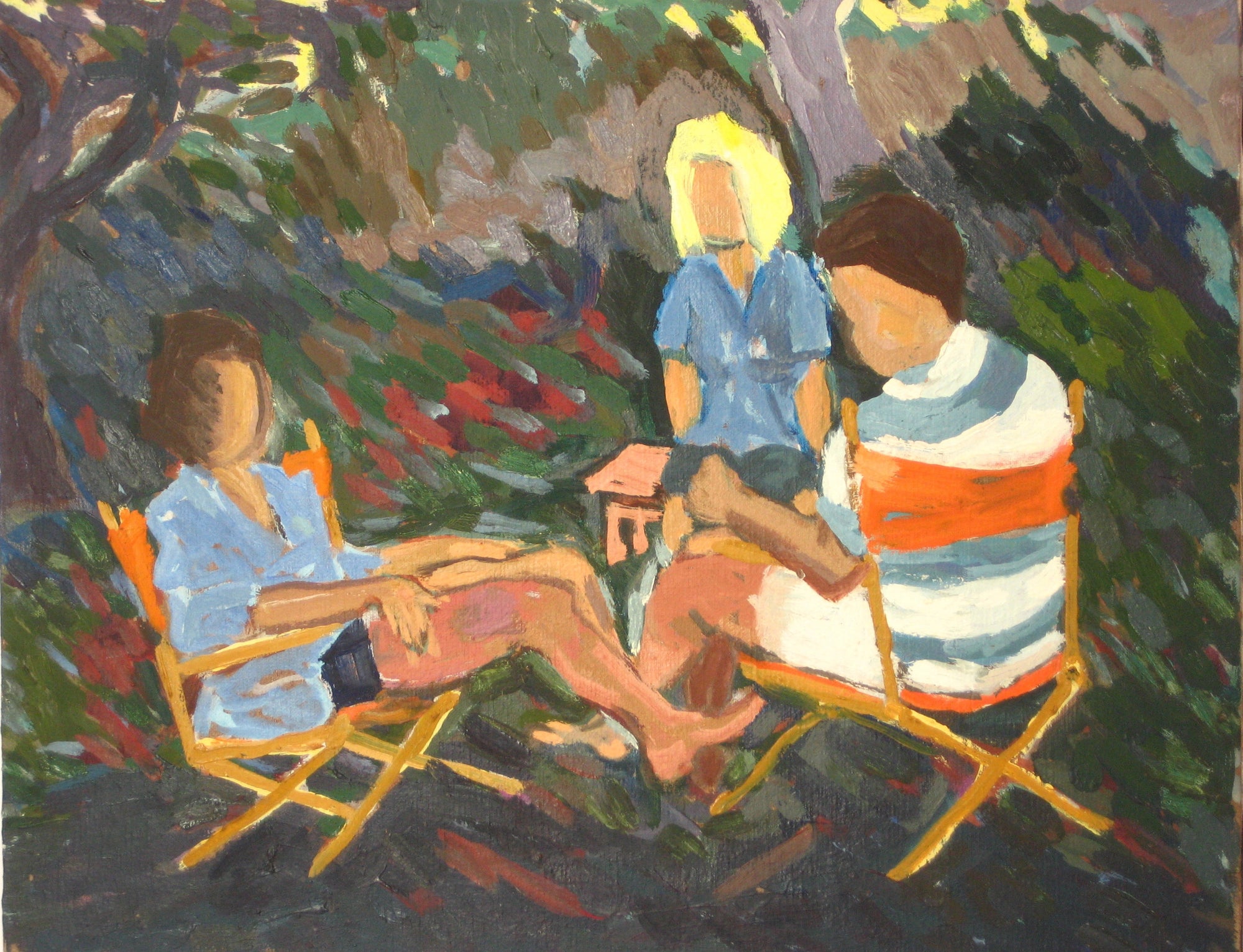
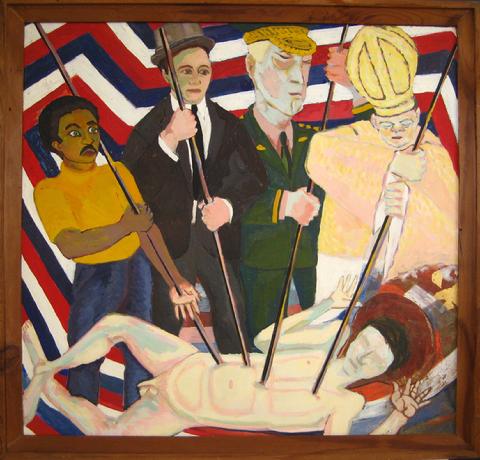
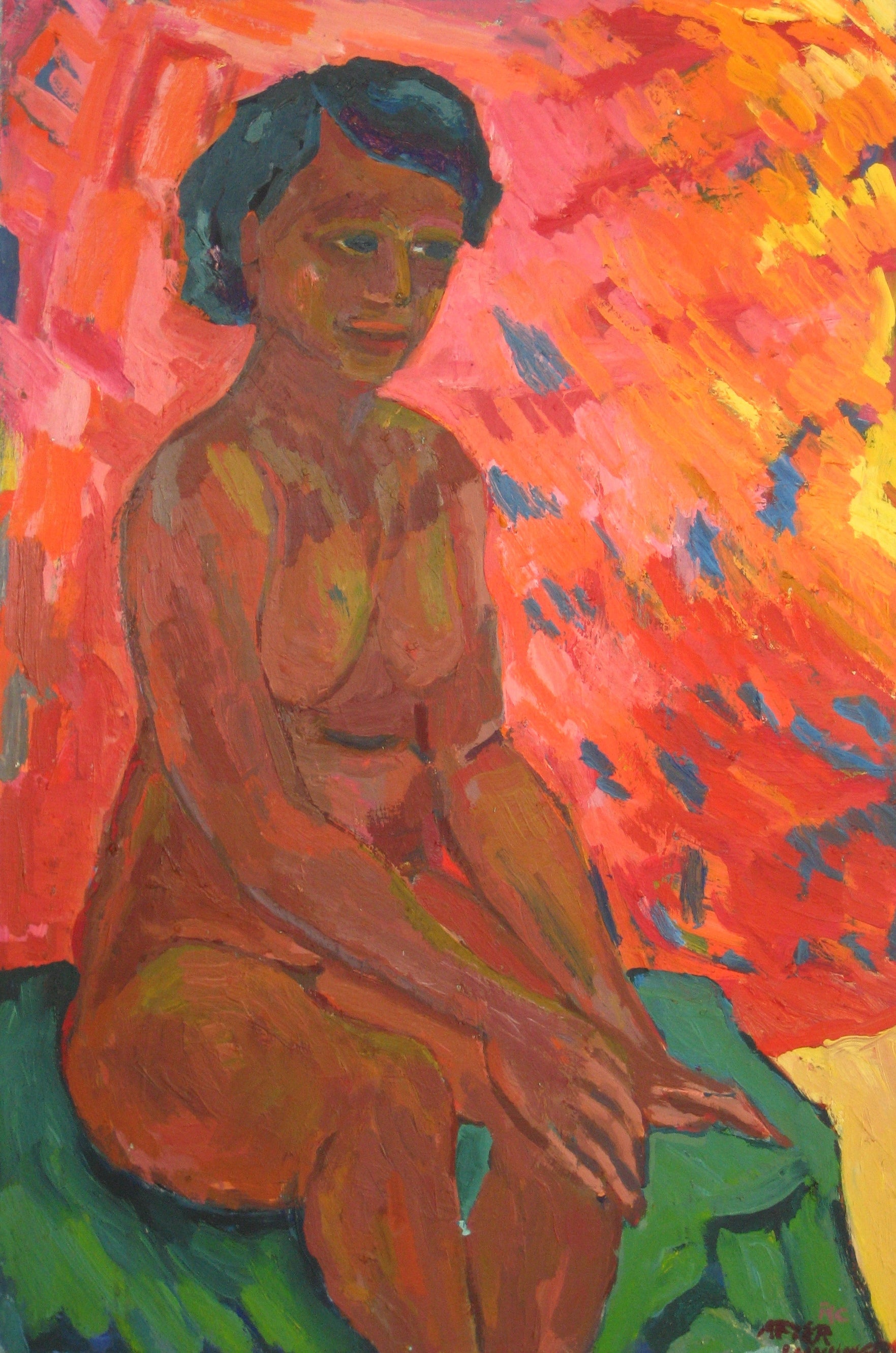
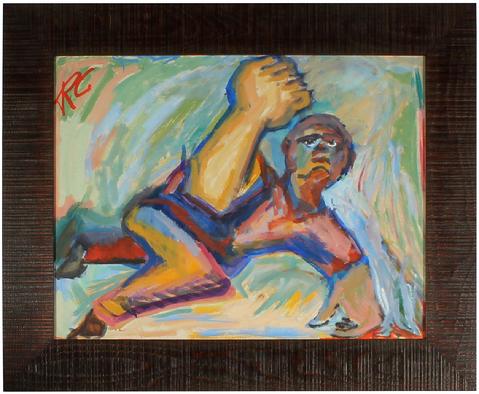
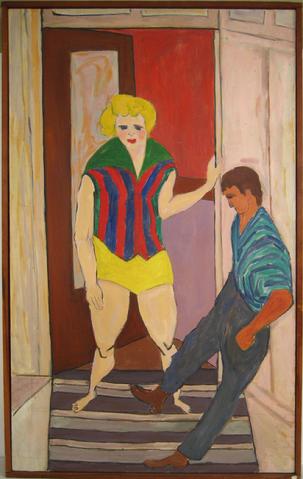
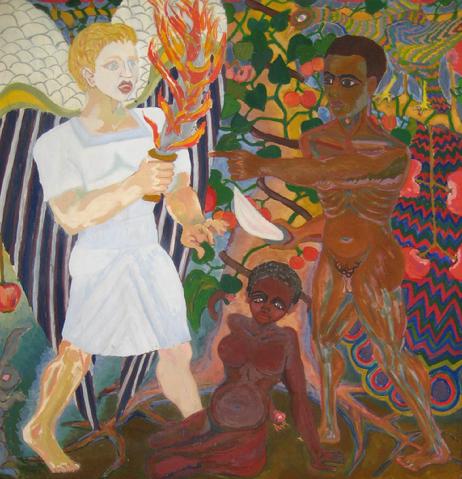
Under the influence of his friend and artistic mentor, Richard Van Wingerden (known as “Van” to his friends), Curtis developed a very personal style of California Expressionism. Curtis was a staunch humanist and an impassioned supporter of the Black Panther Group of Marin and the rights of workers. He used his Expressionist style to draw attention to the human condition and the challenges of his subjects. Amongst his political pieces there are titles such as “James Meredith Enters Old Miss”, “King of the Civil Rights Movement”, and “Huey Newton Confronts the Archangel Gabriel in the Garden of Eden”.
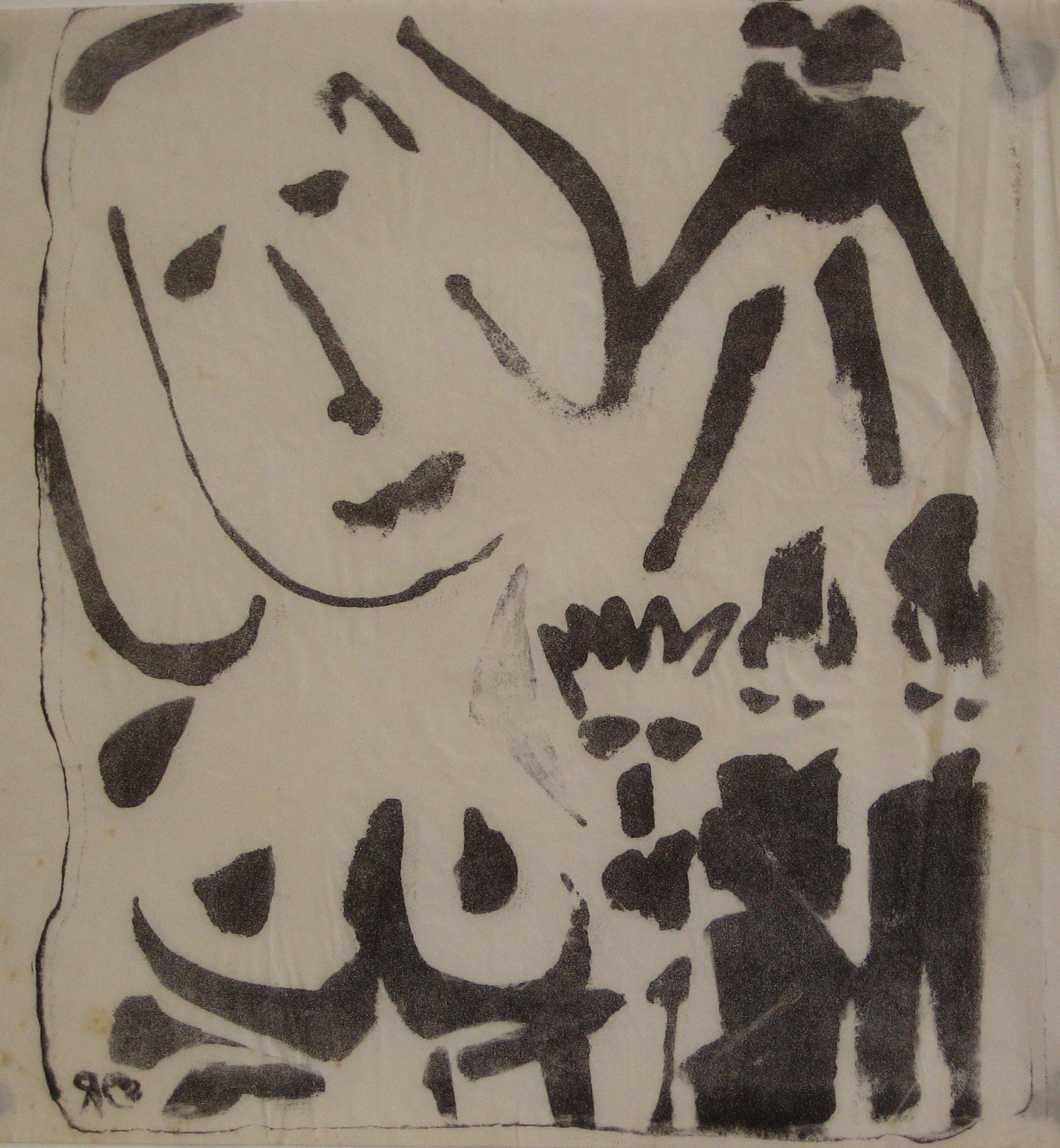
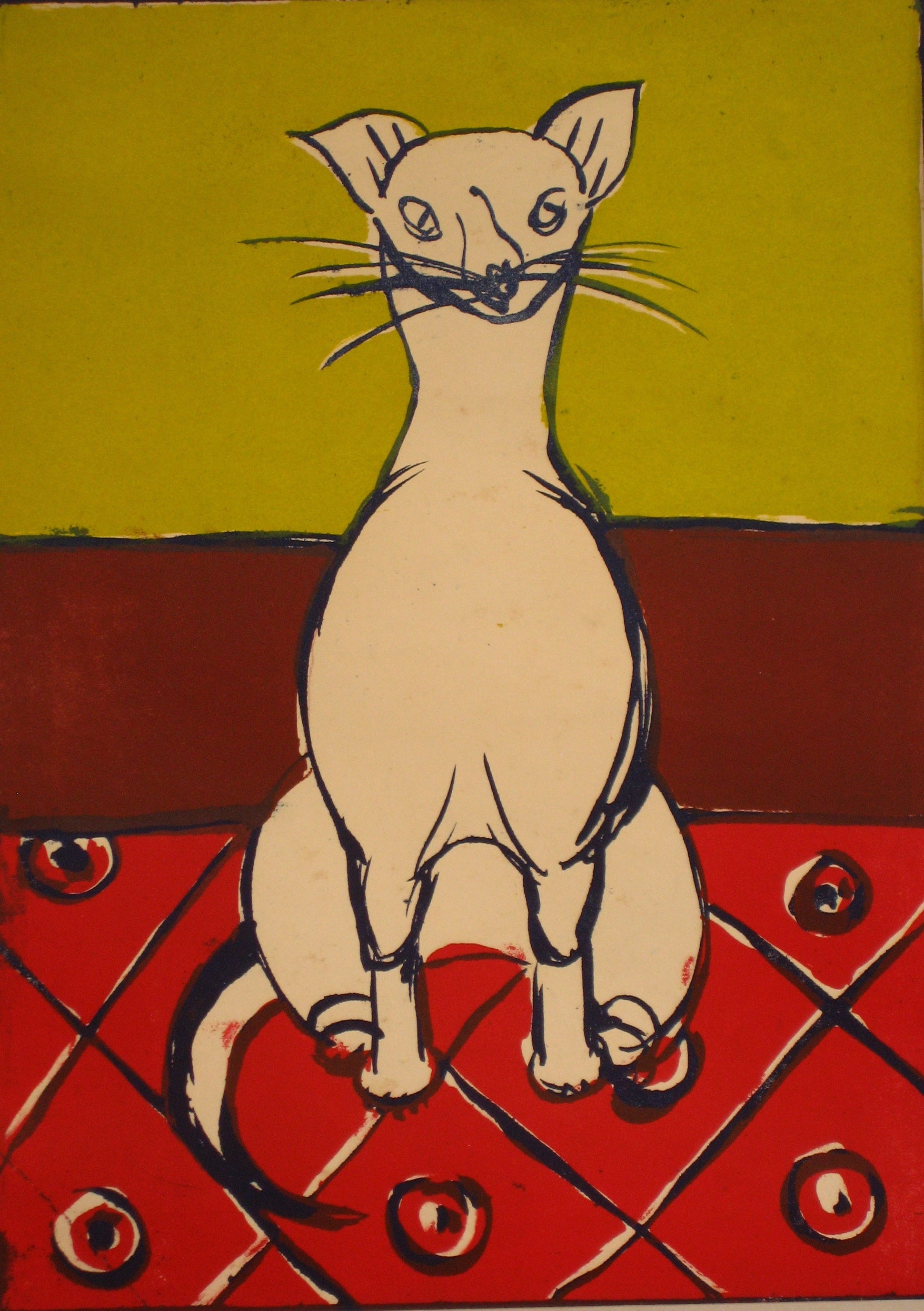
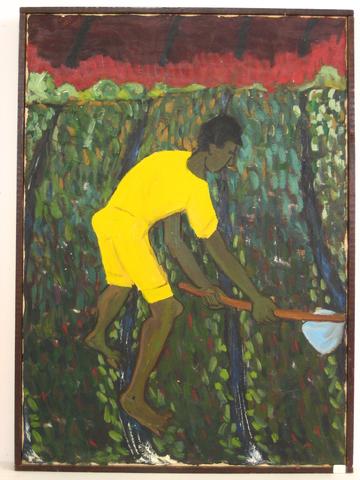
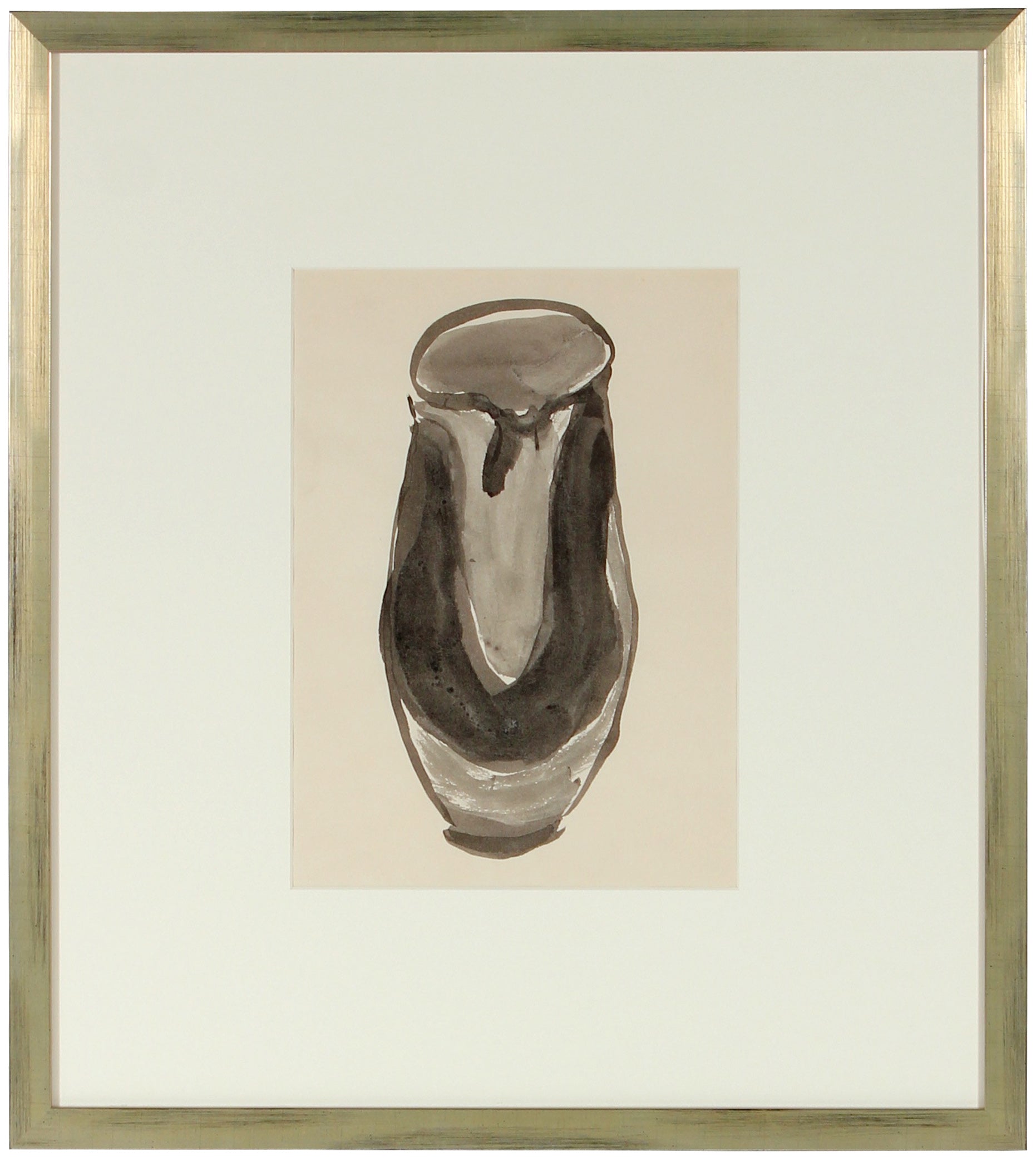
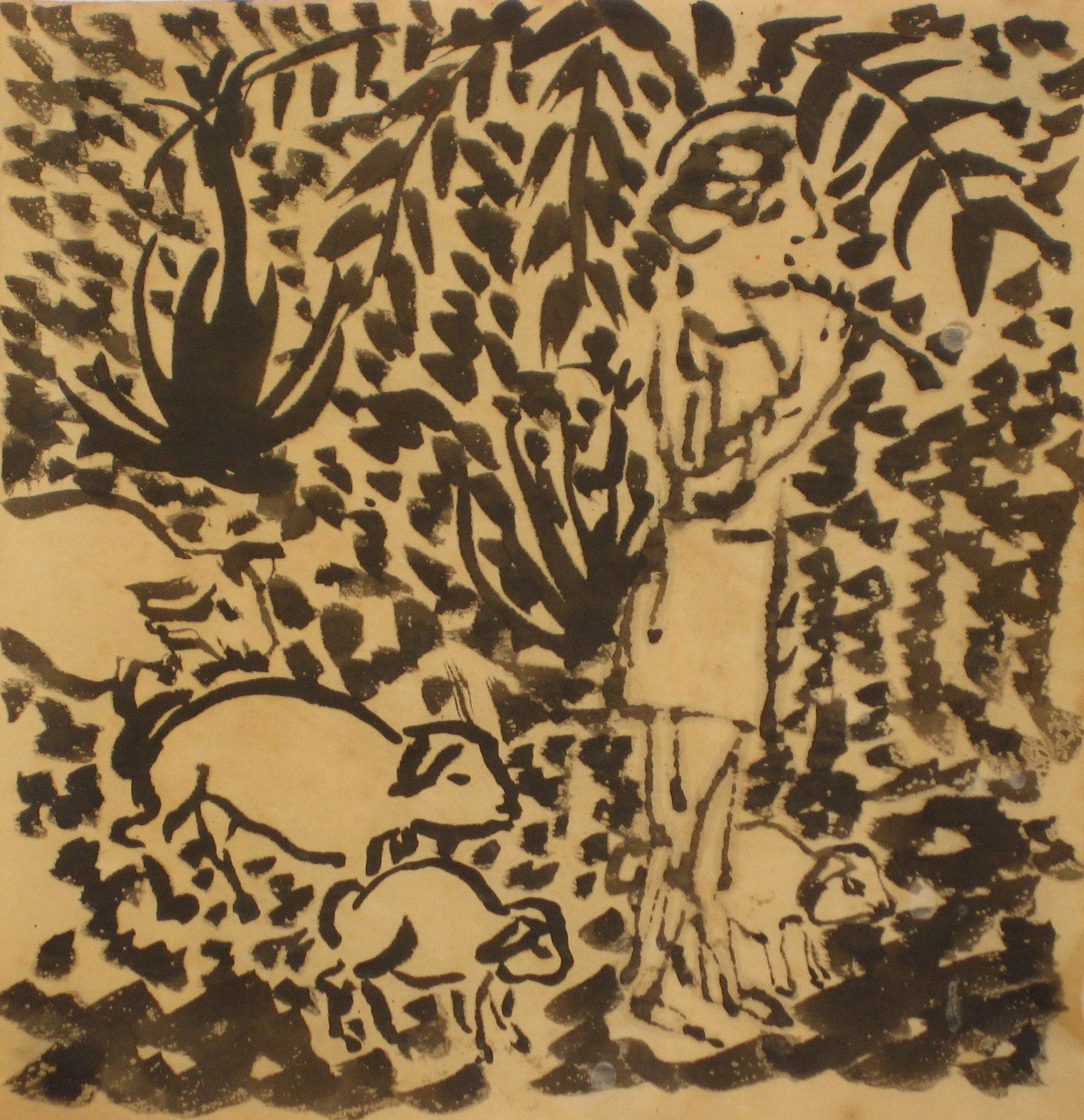
Expressionists used modernist deconstructive techniques in their work to make the viewers aware of the negative realities of the dispossessed, the evils of war and the dangers of social conformism. They did so through the structural, linear or tactile distortion of familiar forms and the exaggeration or omission of common features. Some of their techniques included flattening outlines, defining and exaggerating shape and volume, and the distortion of color, form, line and movement to bring out their emotional reaction to the subject.
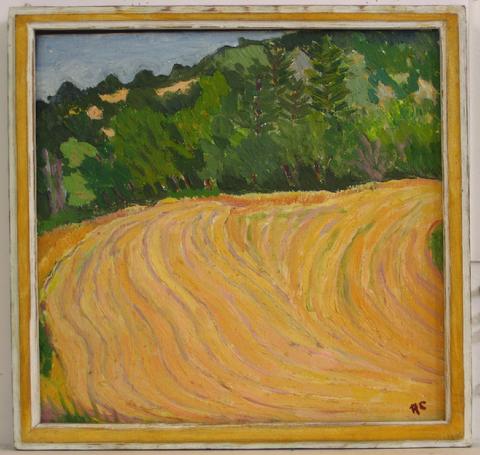
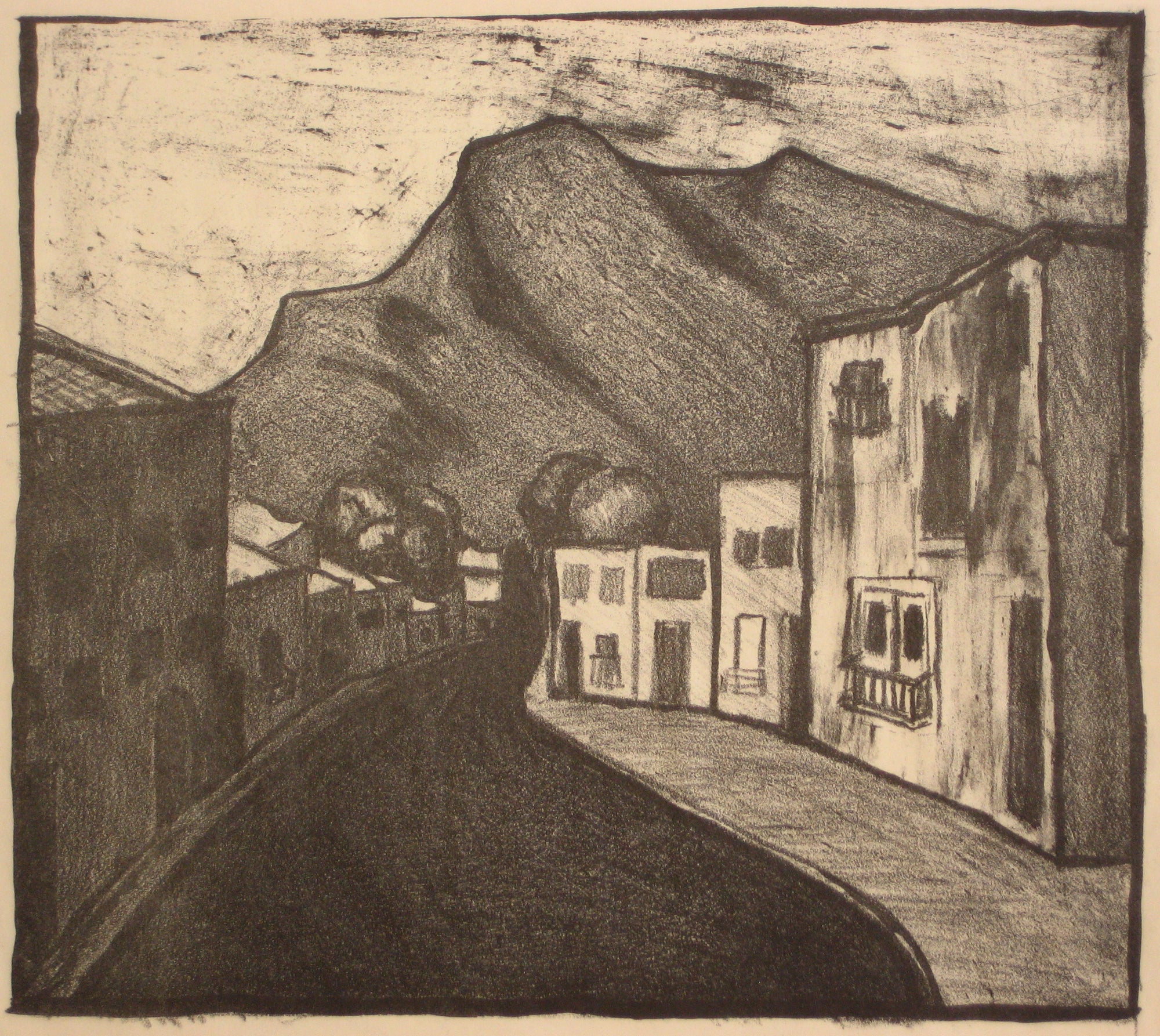
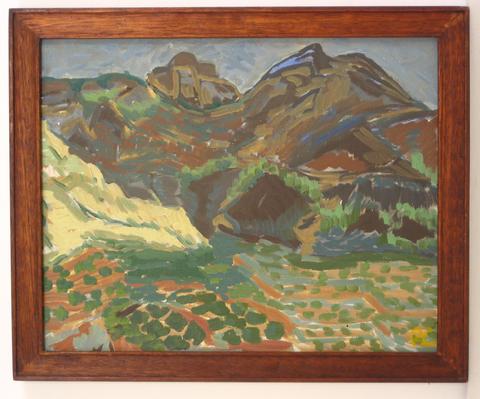
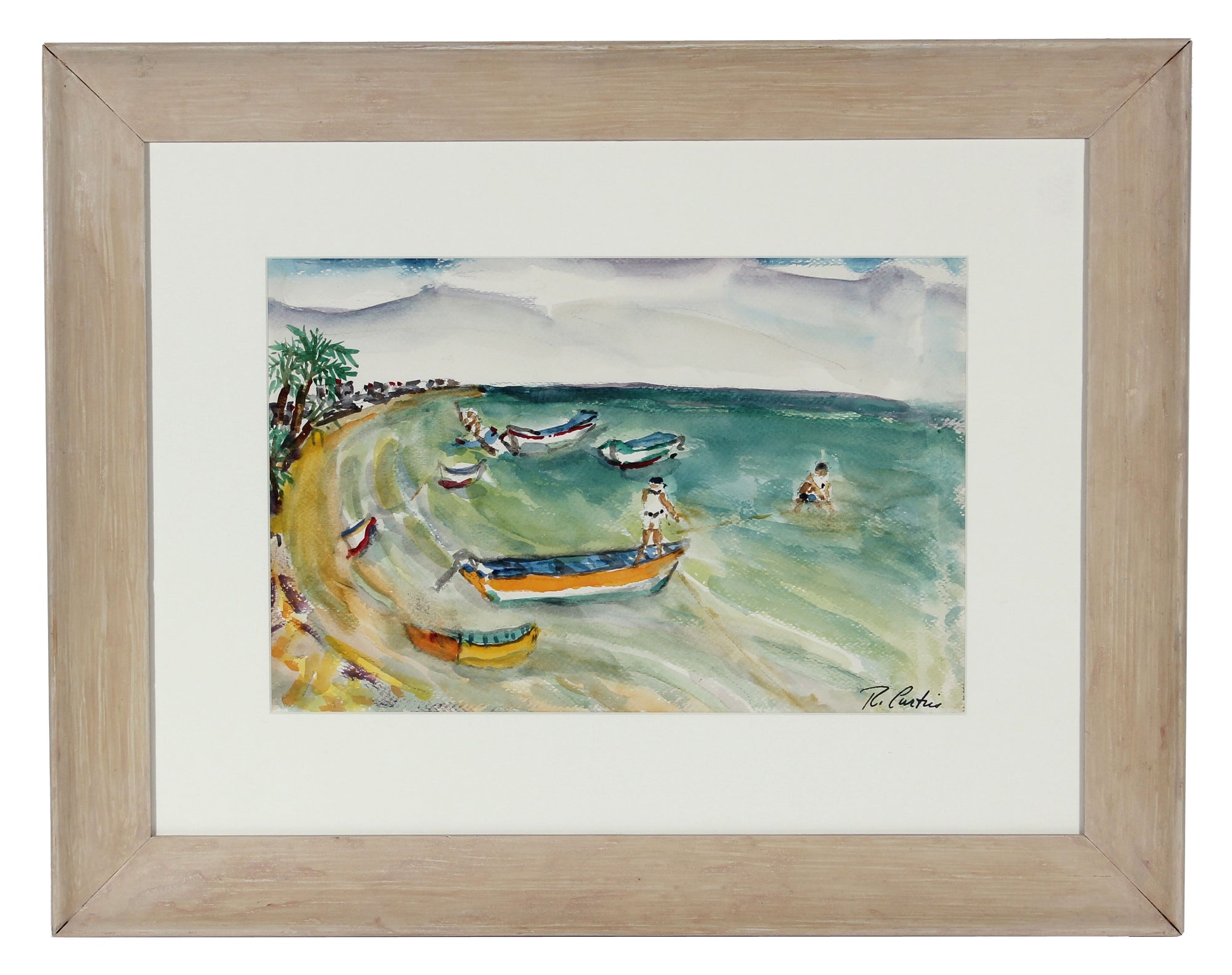
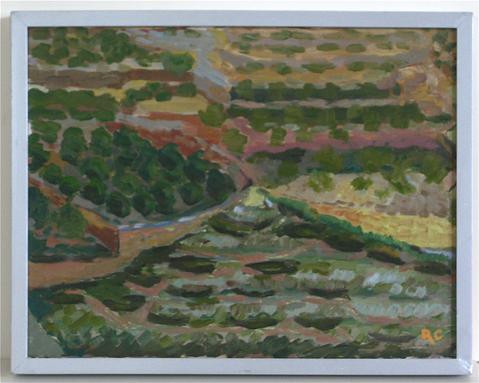
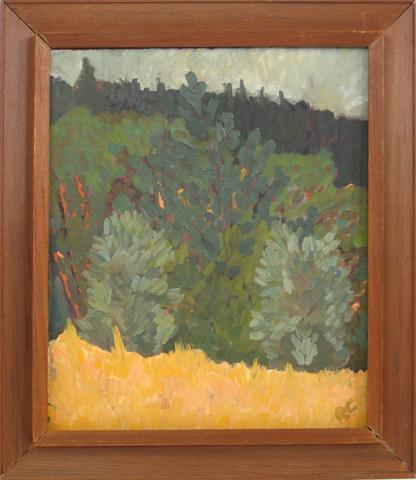
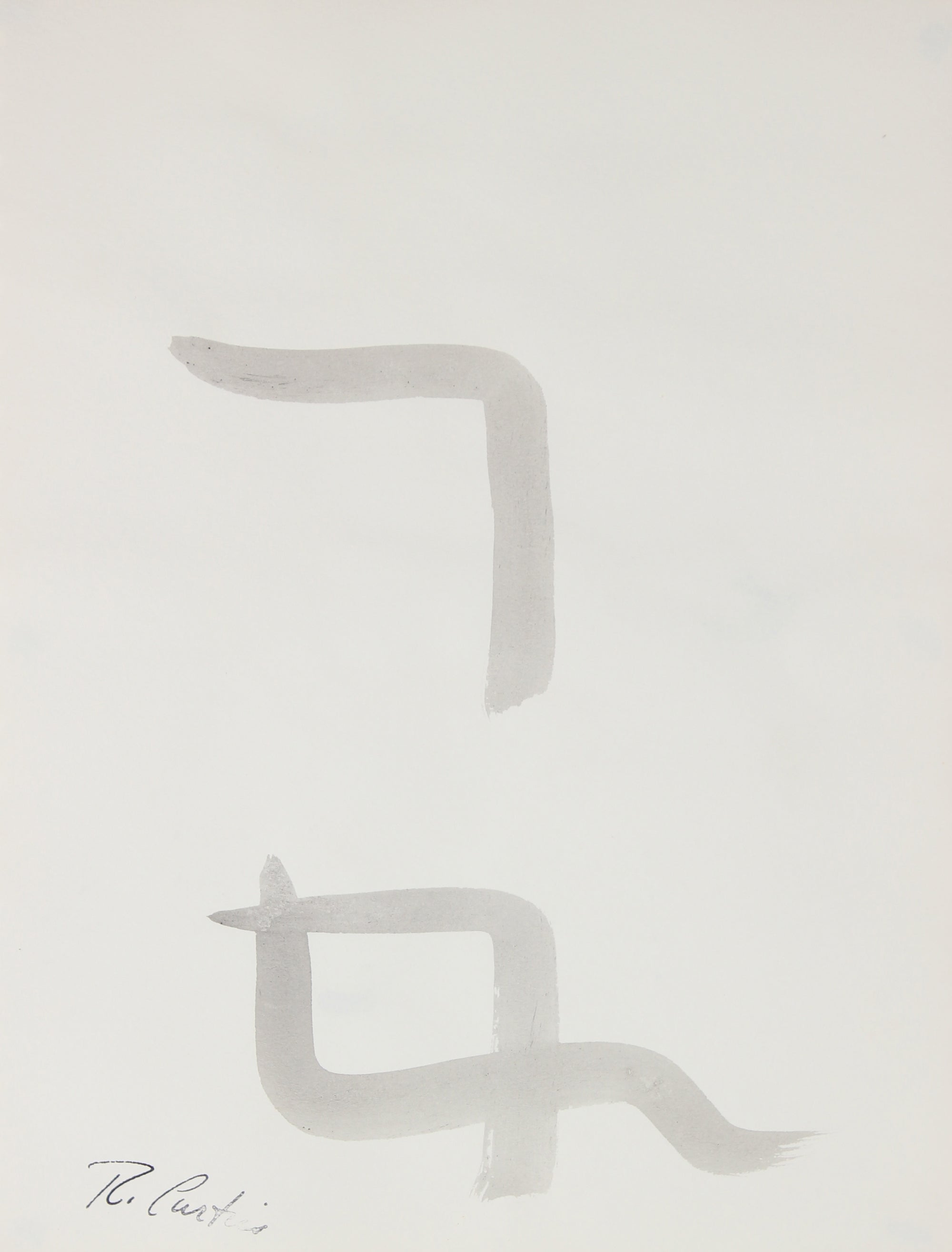
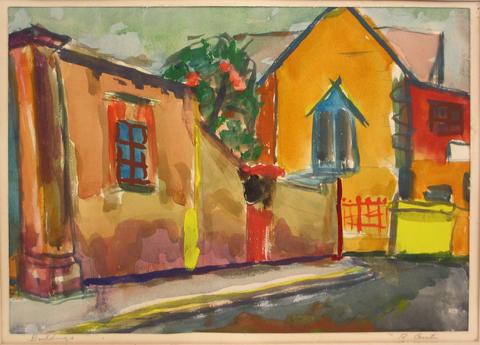
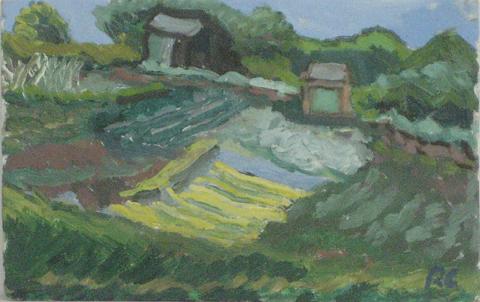
A lover of the land, Curtis was also drawn to paint the countryside of Marin and Sonoma Counties. He would take his truck out to the remote back roads of the area and set up his materials (watercolors and oils) to paint directly in the outdoors. His California Expressionist style can be clearly seen in these landscapes. The images rely less on a true interpretation of the scene, and instead pursue a serious play with color, texture, brushstrokes and form, at times almost moving towards abstraction.
Another major influence on Curtis and his Expressionist style and subjects was his time spent in Morelia, Mexico in the early 1950s. There he studied under the Mexican revolutionary muralist, Alfredo Zalce, and had contact with Diego Rivera.
Curtis was born in Lincoln Center, Kansas to artistic parents. As an adult he traveled west with his mother and brother, where he would settle in the San Francisco and Sausalito area for the remainder of his life. The West brought a new life to Curtis, and after serving in WWII he turned to art. He would become a lifelong friend to fellow artist Richard Van Wingerden (“Van”), who would greatly influence Curtis.
All the way back to his boyhood, there was a history of photographers and poets in the family that influenced Curtis. He began to study painting shortly after WWII where he served as a meteorologist. He studied at the California College of the Arts in the evenings while he worked during the days to support himself. He met his close friend and mentor at a local art school in the Marina district, and Van offered to share studio space with Curtis. At the school Curtis also met his future wife Eileen Reynolds, who was a well-known potter.
At this time Curtis was married to a young woman named Nona, and together they had a son. Curtis decided to move his family along with him on an artistic sojourn to Morelia, Mexico. There he studied at the University of Michoacan, receiving his master’s degree. During this time Curtis also studied under the well-known revolutionary muralist Alfredo Zalce. In Mexico, Curtis also learned how to do hollow sculpture and he had the pleasure of meeting Diego Rivera, who said Curtis was “a real sculptor”. While in Mexico, Curtis had a one-man exposition displaying both paintings and sculpture at the Michoacan Museum in 1952.
After two years in Mexico, Curtis returned to California and attended the San Francisco Art Institute. At this time his marriage began to dissolve, and at the same time his friend Eileen Reynolds became single after the passing of her husband. Curtis began to study pottery with Eileen, while still being mentored in painting, drawing and printmaking by Van. In the late 1950’s Curtis began to live with Eileen in the Russian Hill district, and they were married shortly thereafter. Soon they would purchase a farm in Sausalito in 1960. At the Farm Curtis was inspired to paint landscapes, many of which can be seen in the Lost Art Salon collection. In 1960, Curtis also taught Asian art history as well as graphics at Marin College.
The Farm became not just a home for him and Eileen, but an artist’s enclave. Curtis built a potter studio with Van, and later they acquired a Japanese Teahouse that had been a part of 1904 World's Fair in St. Louis. The Teahouse was intended as a place to display their work.
After moving to Sausalito, Eileen and Ross decided to take a trip to Spain for a year to study art history, Moorish art and architecture as well as sculpture and pottery.
When they returned, their farm and the Teahouse became the setting for regular art events. The first exposition was for the artist Russell Chatham who was mentored by Ross and often found shelter at Ross' farm house in Sausalito. Paintings were exchanged.. Today Chatham is well known as a skilled lithographer and landscape painter. Curtis and Van’s art shows were enlivened by beautiful banquets of food and wine prepared by Eileen. Some of the artists that spent their time at the Teahouse included Mary Perry Stone, Emmy Lou Packard, Ed Haggendorn, Byron Randall and Charlie Safford.
During the 1960’s and 70’s Ross Curtis’s art became heavily influenced by his political expressions. One of Curtis’ most profound political influences was the Black Panthers of Marin County. A group that focused on racial issues, Curtis’ work reflected their struggle, and his paintings became filled with bolder colors, black lines and flattened forms. He did many sculptures and paintings during this political phase, including the painting depicting James Meredith entering the University of Mississippi.
In 1969 Curtis’ long time friend Van died in a sudden car crash. Ross and Eileen continued to travel together, and in 1976 they experienced Italy and Greece for a year, some of Curtis’s paintings reflect this landscape. When they returned, Eileen passed away suddenly in 1977.
Being alone on the farm, Curtis decided to rent some of the rooms of the farmhouse. This brought young artists and youthful energy to the place and reignited some of the former passion that had existed there. One of the boarders at his farm was a woman named Hilary. She was from England, and after her visit she returned home. Curtis went to England on his own will to romance her, and he took her on a whirlwind trip to Portugal. While in Portugal he started an art school in Montemor-o-Novo. The small town near Evora was well known for its pottery. The school would be a place where they would return for ten years in the summers.
The art shows continued at the Teahouse on the farm, they were smaller events, but they would exhibit Curtis’ pottery as well as other artists work. After a long life, of travel, art, love and loss, Curtis died in 2007. It was Hilary, his partner for his last years that brought his and Van’s collection to the attention of Lost Art Salon. The art can now be enjoyed, as it would have similarly been at the teahouse in Sausalito.
Sort by Ross Curtis _|_ View Available _|_ View Sold -
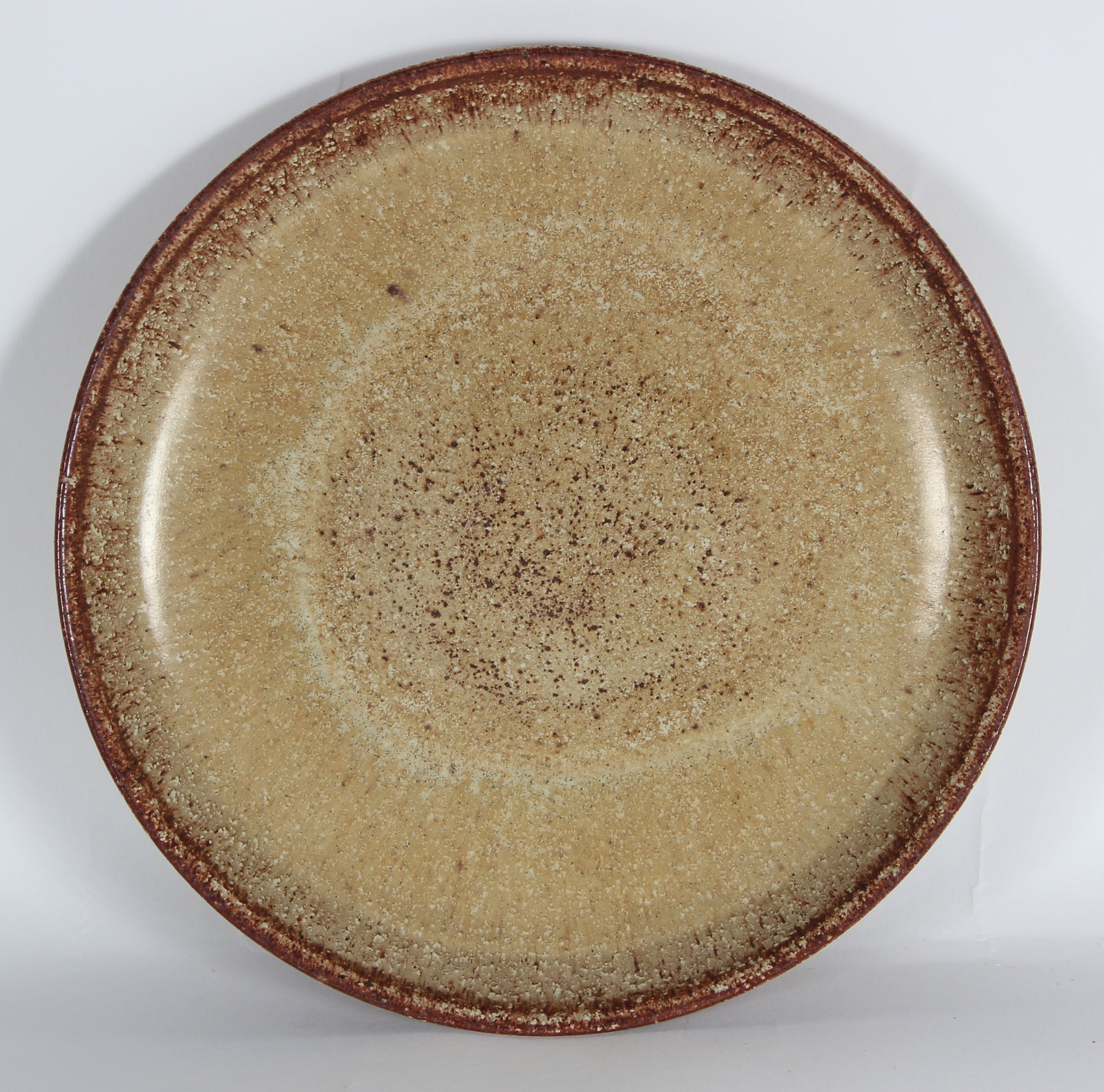
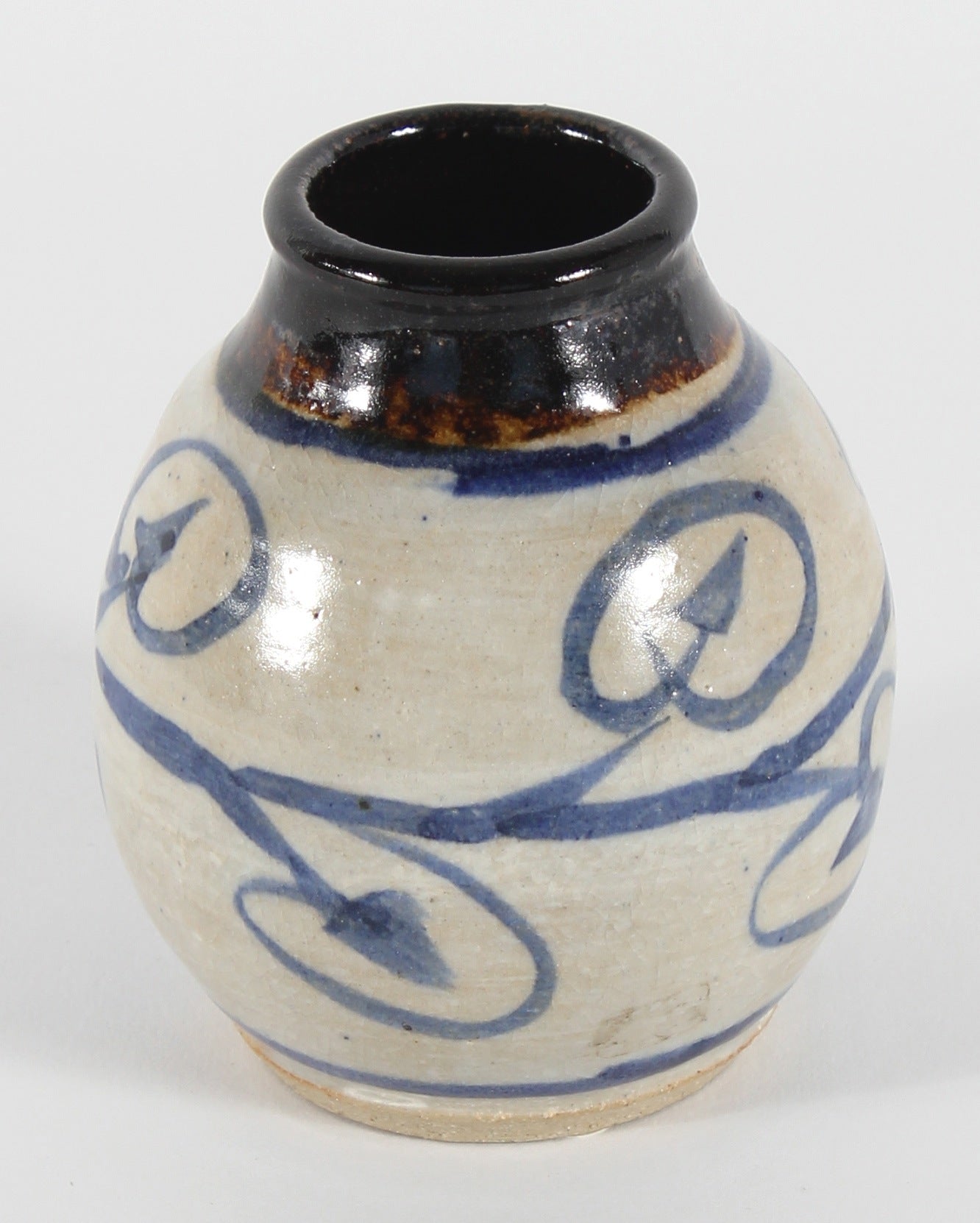
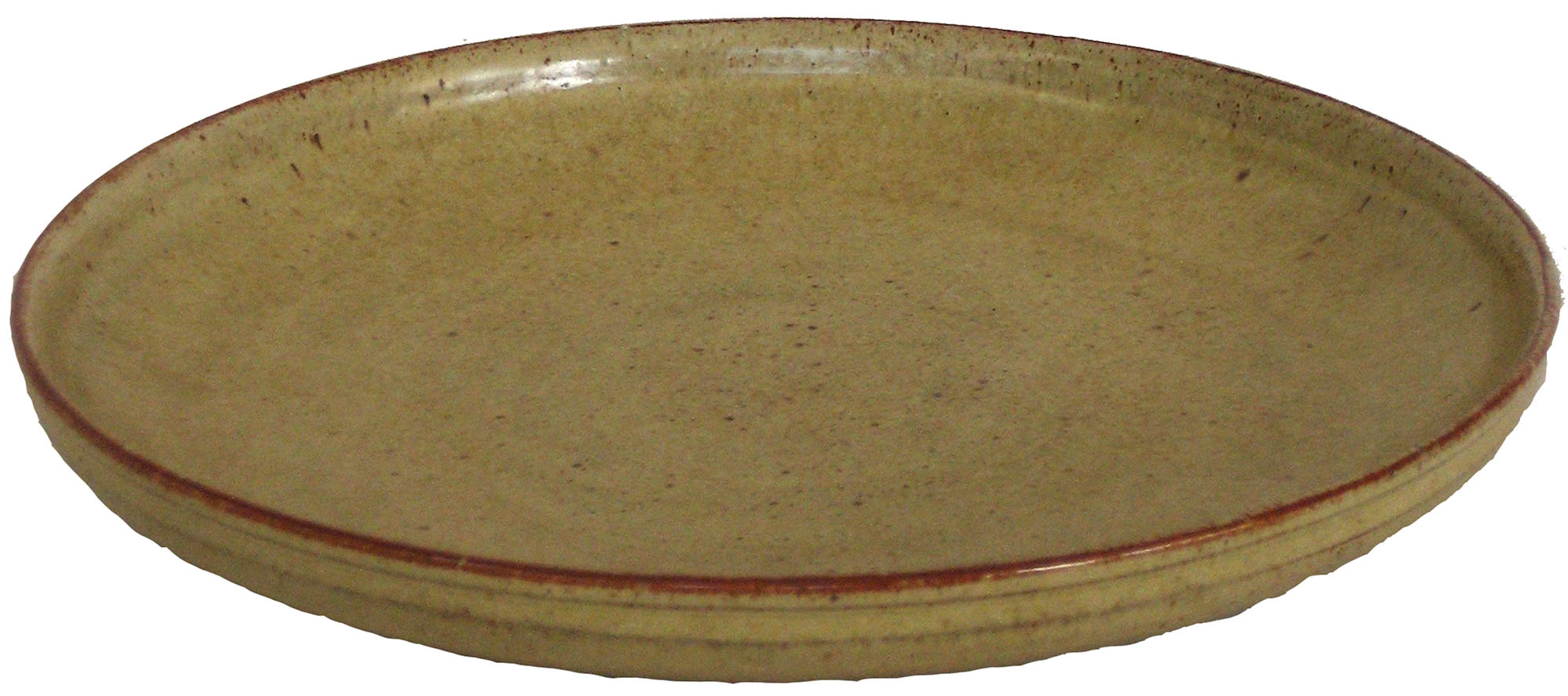
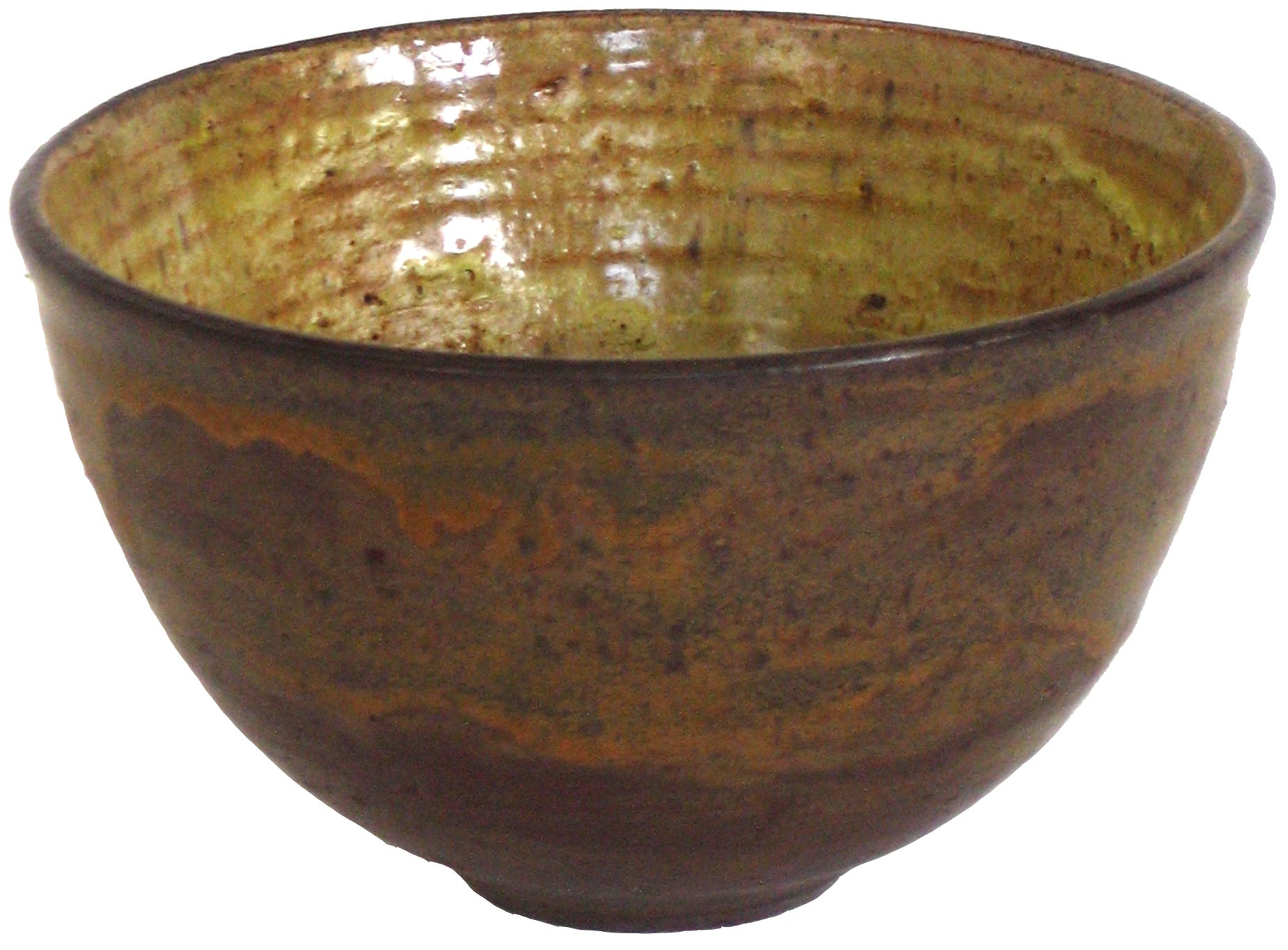
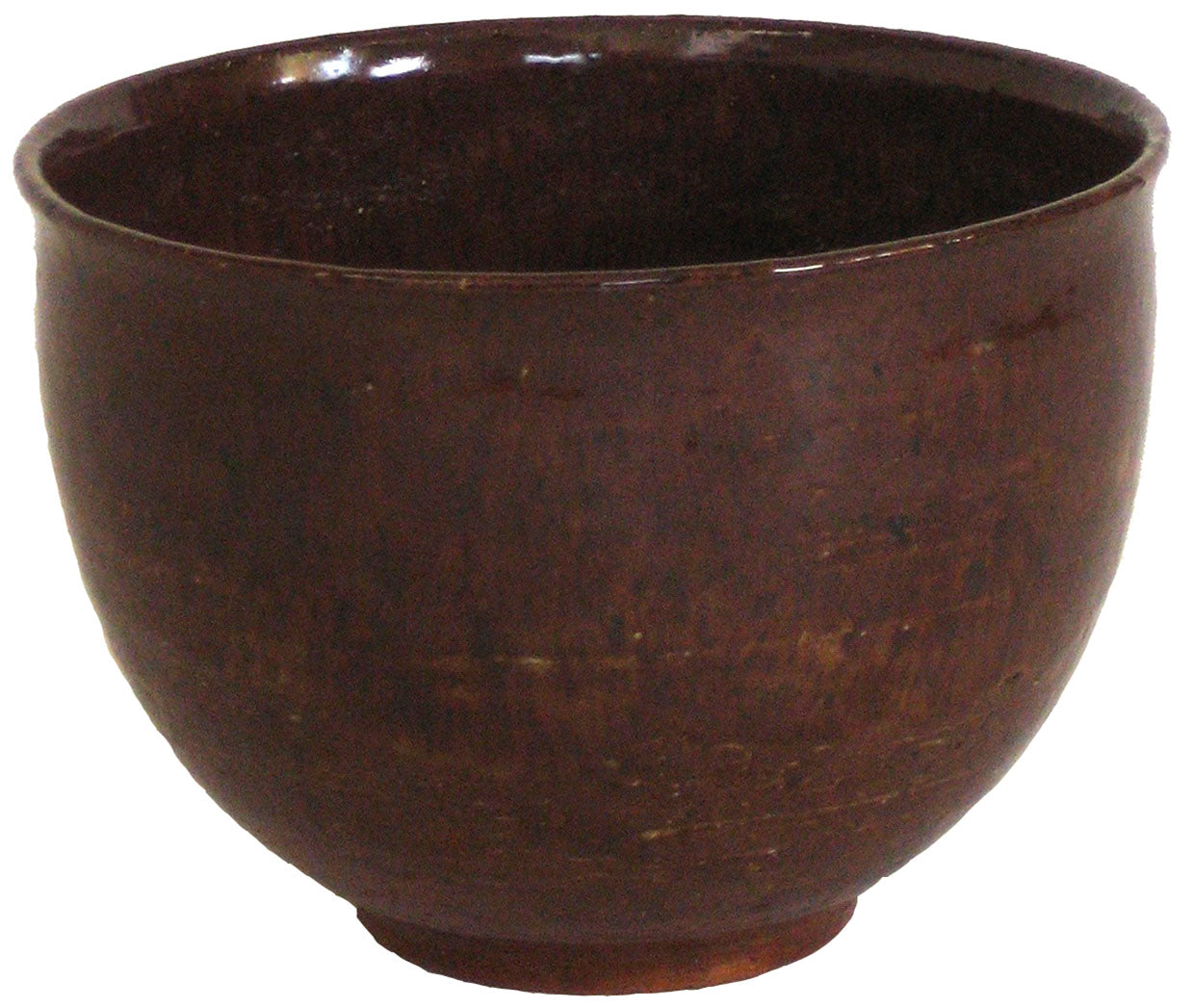
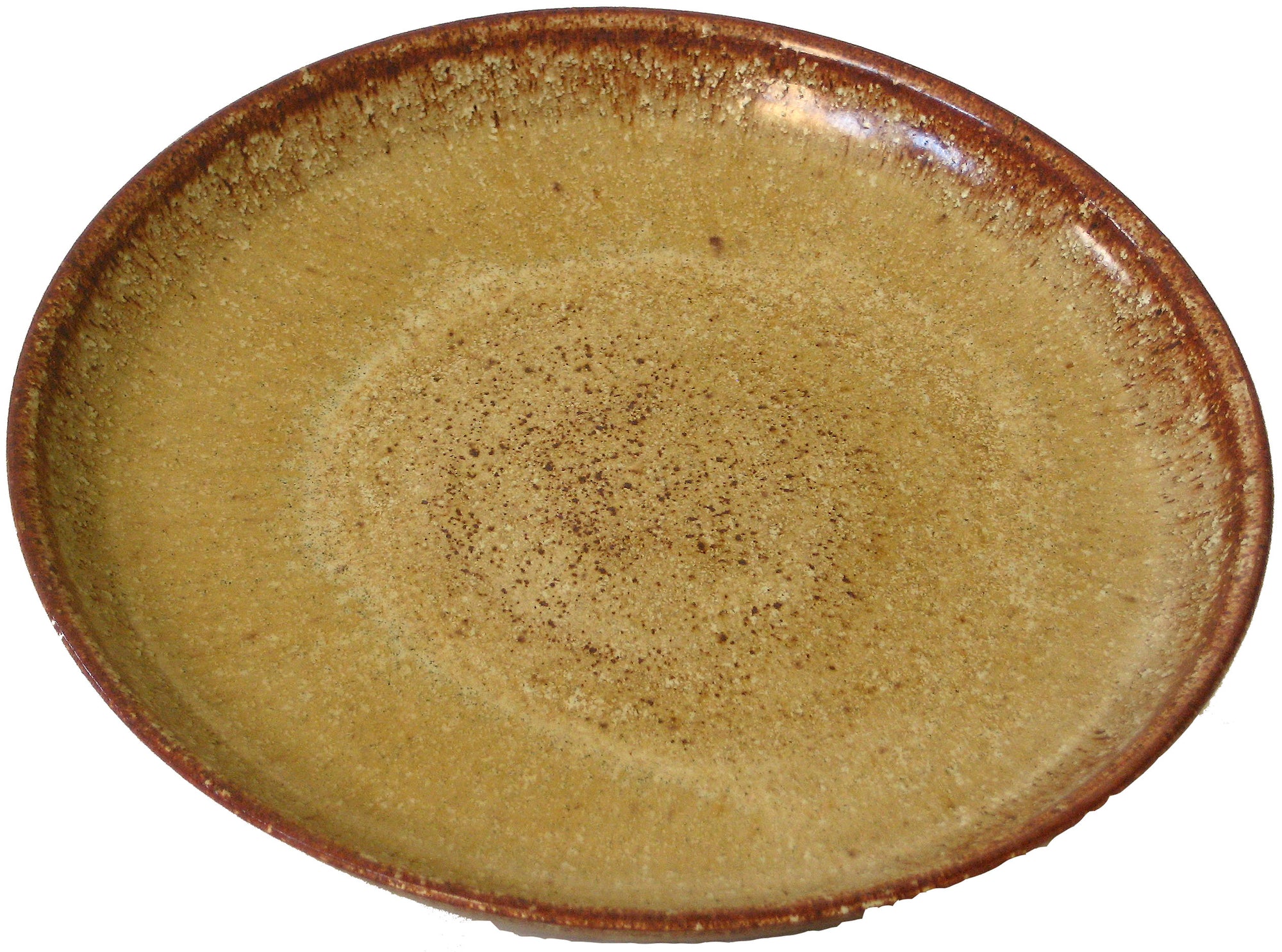
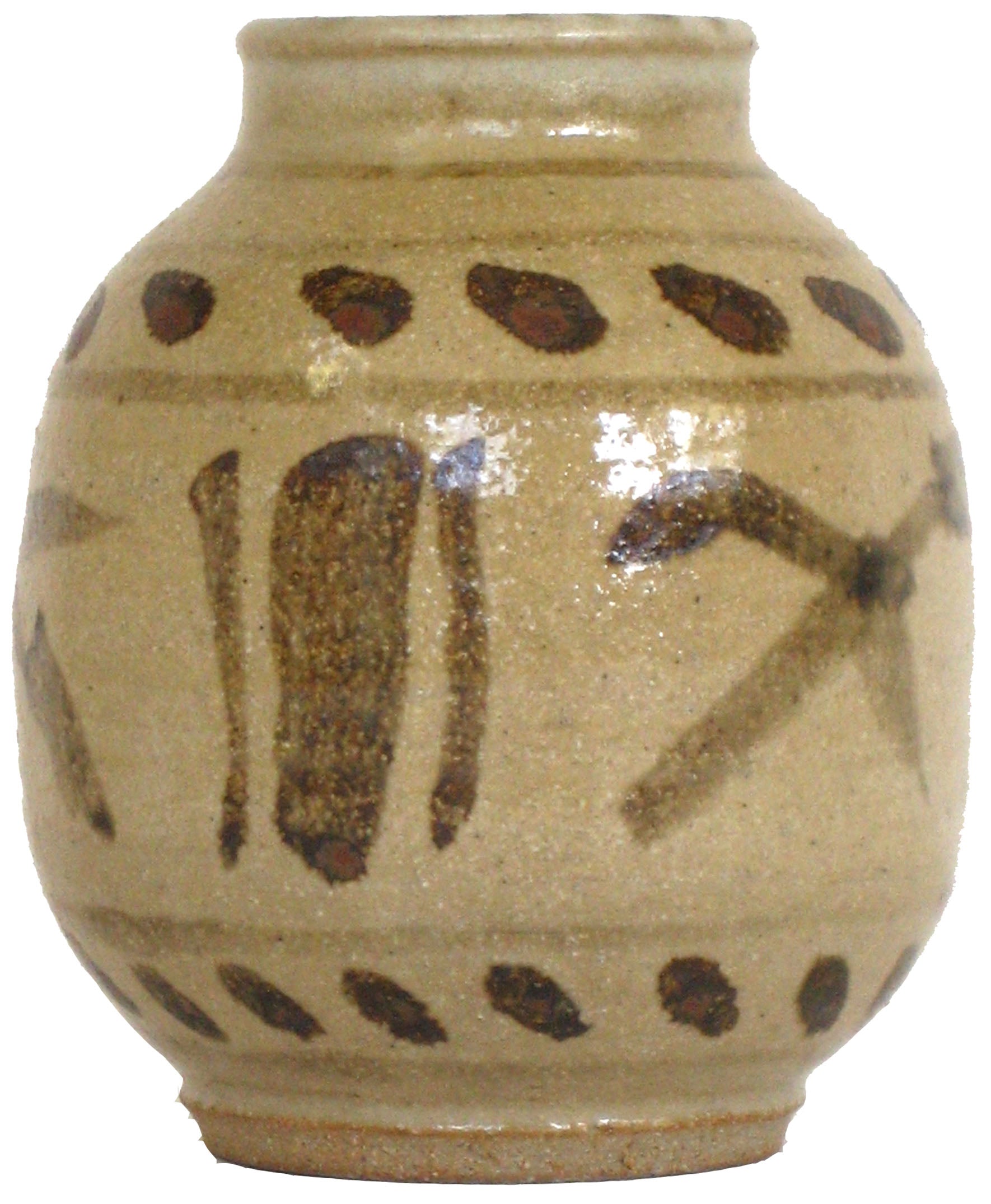
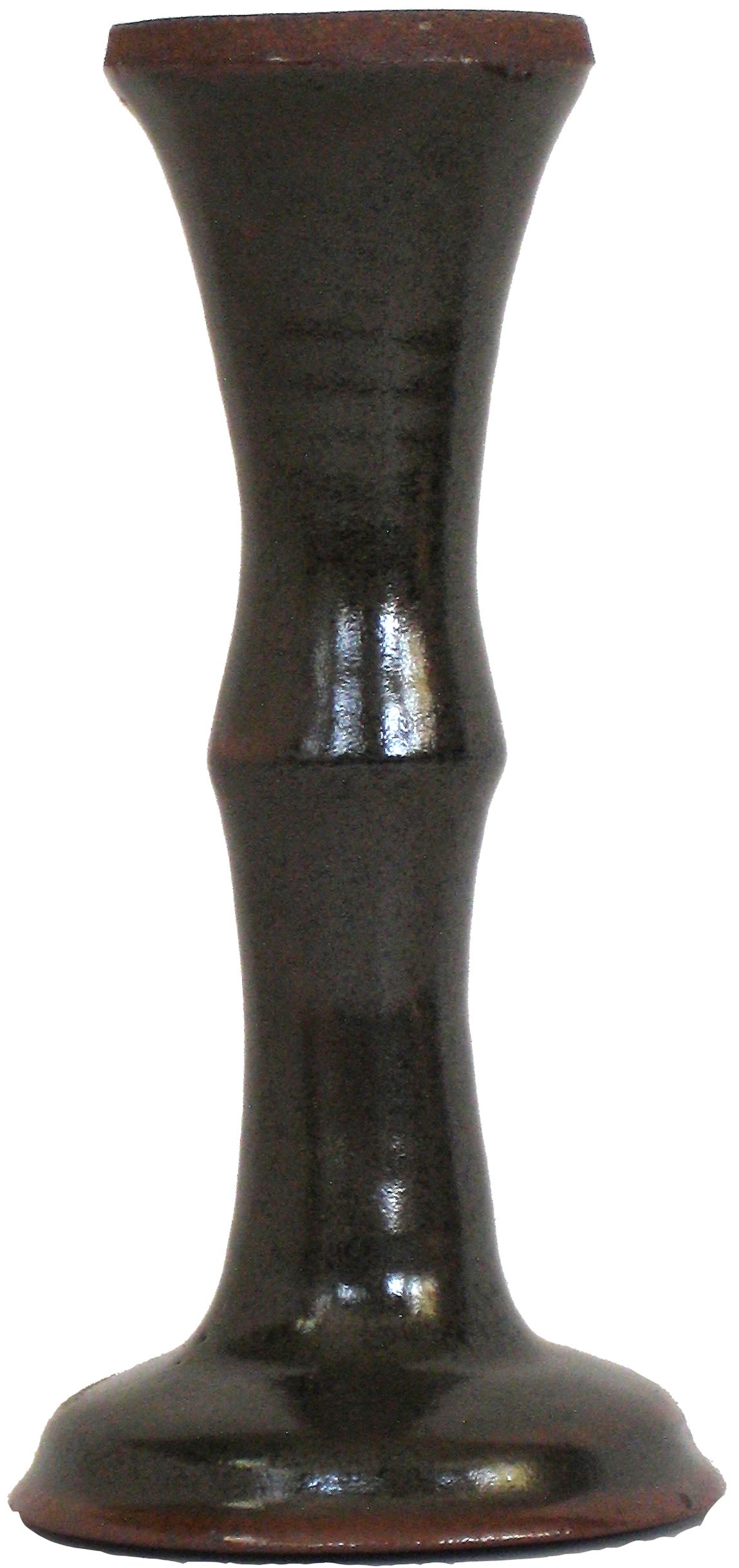
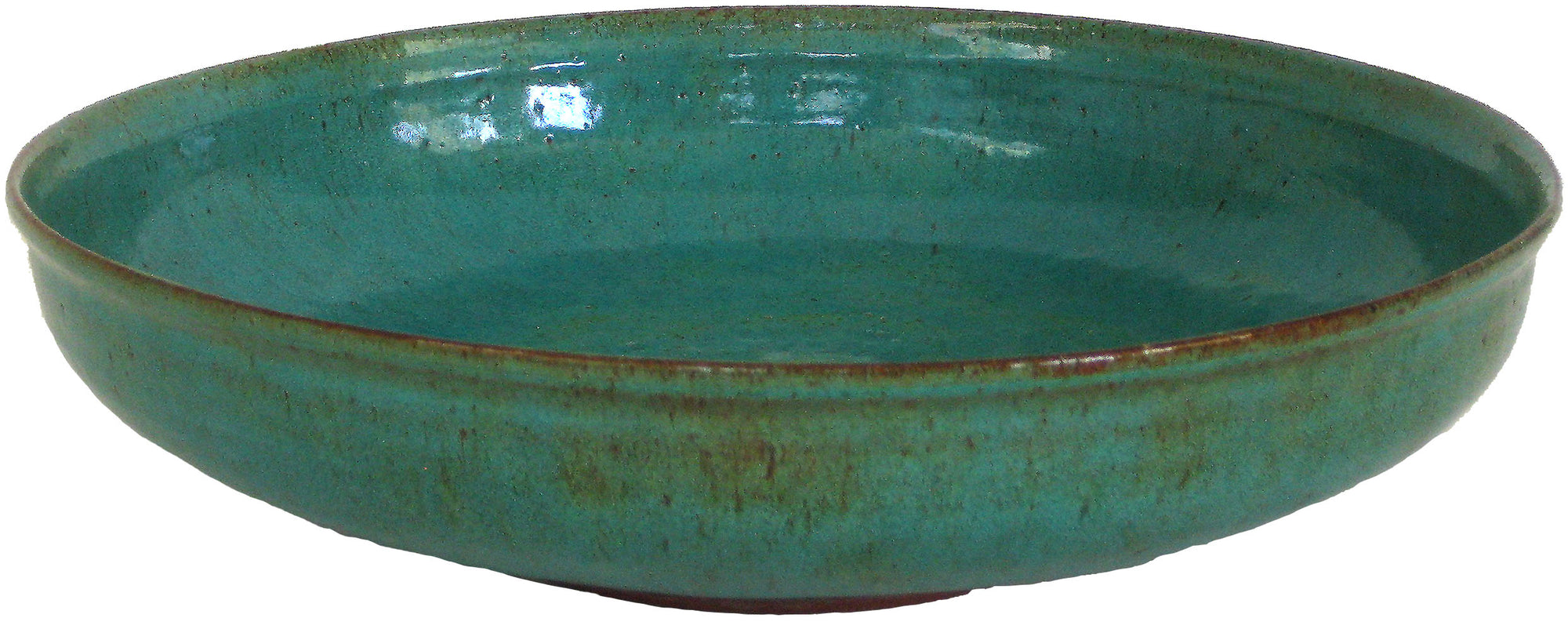
Eileen grew up among traditional American country artists along the Ohio River in Indiana, which her distinctive pottery reveals with great delicacy. Here exposure to the jugs and bowls of the Ohio River Potters combined with her love for Northern California nature and clay were instrumental in the forming of her unique earthenware pieces.

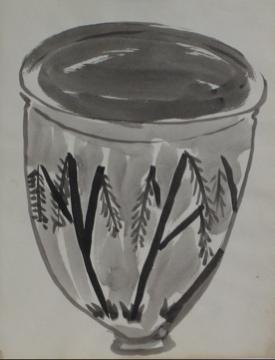
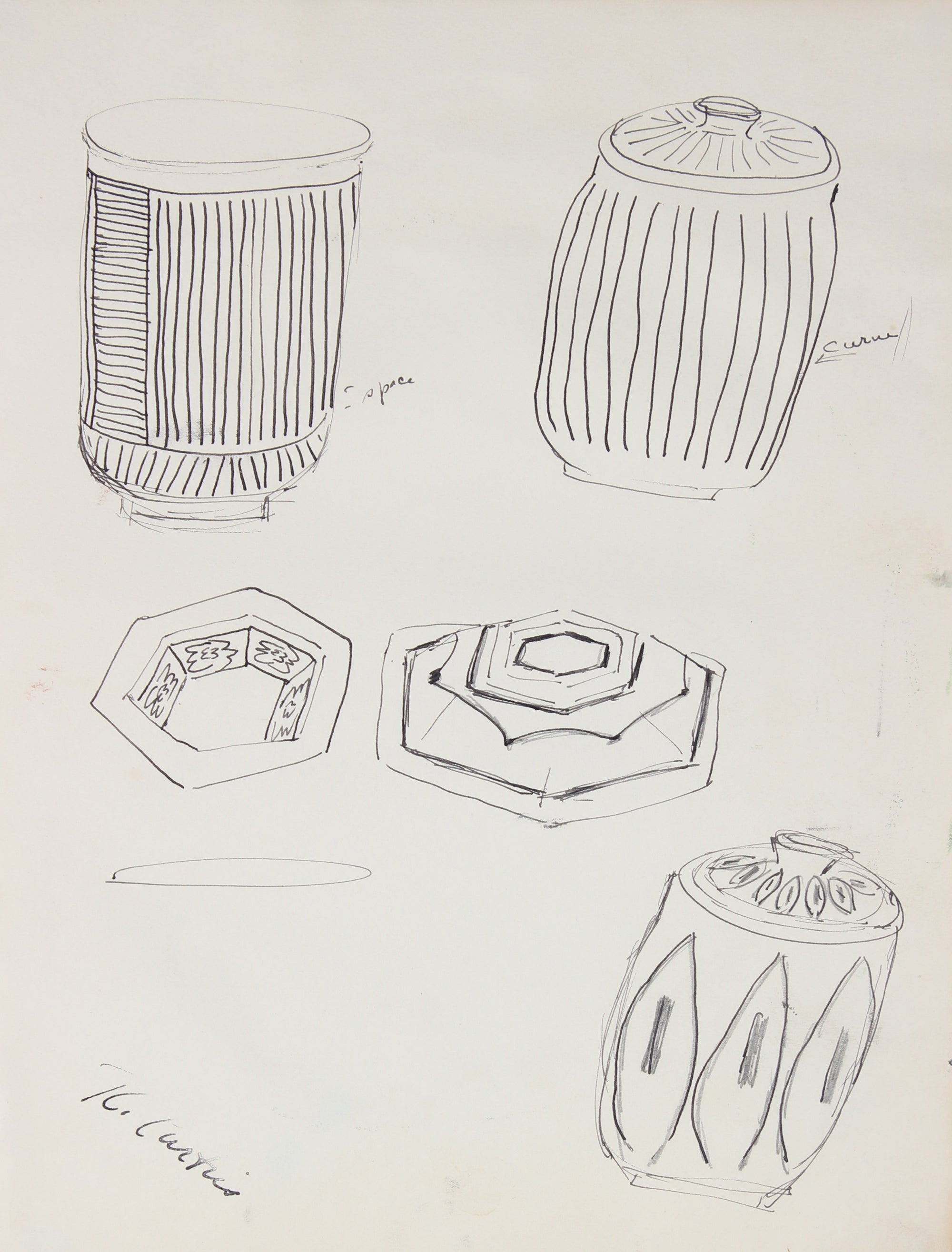
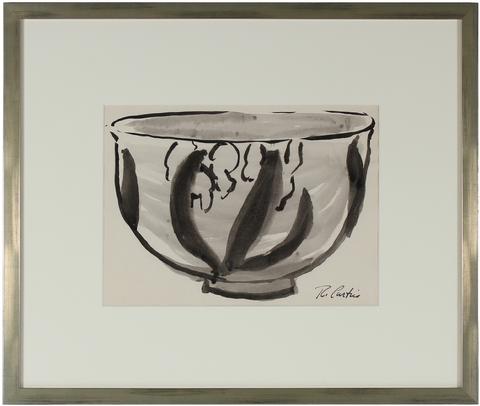
Eileen first established her studio in the 1940s in the back of an old garage on Russian Hill in San Francisco. Later Eileen would marry fellow Northern California artist, Ross Curtis and the two would build their own ceramic studio and kiln on their property in Sausalito and show the work in the Japanese Teahouse on the property. Over the years, Ross and Eileen began to work collaboratively. Eileen threw the forms and Ross painted many of the decorative motifs.
Early on, Eileen had a professional relationship with Heath Ceramics prior to it's signature style factory. Ross and Eileen decided to set up their own pottery studio because of differing styles and their interest in wheel thrown pieces. They sold her pots to Gump's Gallery in San Francisco and other downtown fine crafts shops.
Her work has been greatly honored by many shows and awards from several museums, including the Syracuse Museum of Ceramic Prize of 1948, and the purchase and display of her pottery by the Museum of Faenze in Italy.
Principal Exhibitions and Collections Include:
San Francisco Museum of Modern Art, San Francisco, CA
The Oakland Museum, Oakland, CA
California Palace of the Legion of Honor, San Francisco, CA
M.H. de Young Memorial Museum, San Francisco, CA
Crocker Museum of Art, Sacramento, CA
Smithsonian Institute, Washington DC
National Ceramic Museum, Faenza, Italy
Detroit Institute of Arts, Detroit, MI
Syracuse Museum of Ceramic, Syracuse, NY
Sort by Eileen Curtis _|_ View Available _|_ View Sold
 Ross Curtis was a California Expressionist painter and sculptor. He was the co-founder of an intimate group of noted Northern California artists known as the “Sausalito Teahouse Group”. He was a man described as generous, determined and politically impassioned.













































Subscribe
Sign up to learn about new collections and upcoming events